
The cultural impact of casinos in modern society
Evolution of Casinos in Cultural Context
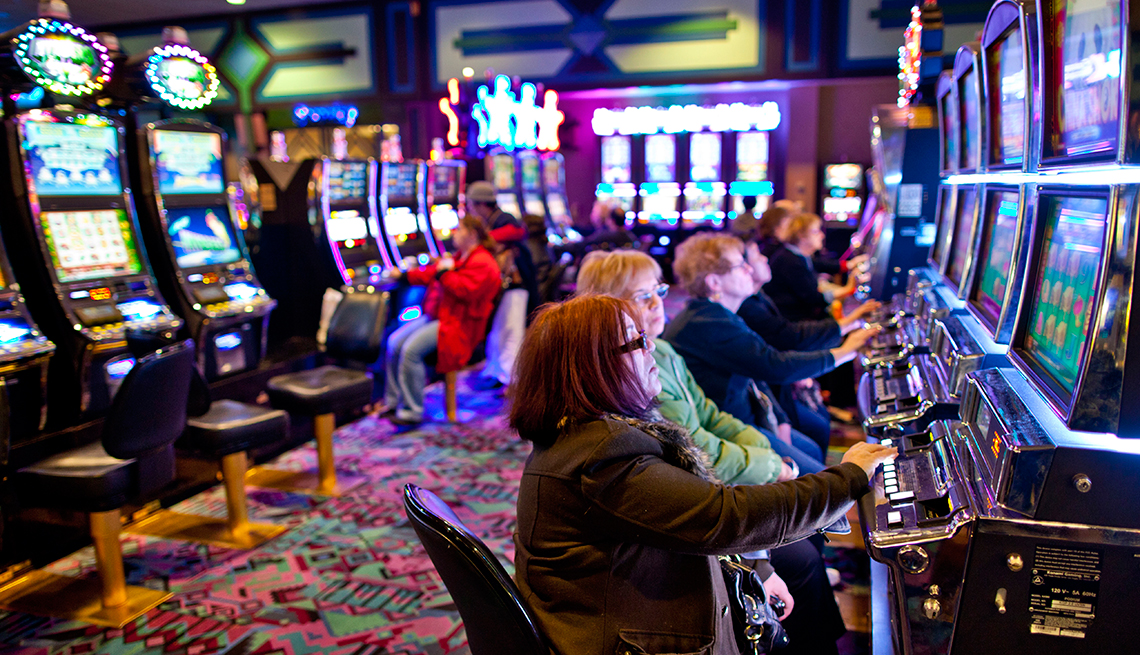
Casinos have undergone significant transformation over the years, evolving from backroom gambling dens to lavish entertainment complexes. In the past, gambling was often viewed as a vice, associated with the lower classes and criminal activity. However, modern casinos have worked diligently to reshape this image, establishing themselves as legitimate businesses that contribute to local economies and tourism. This evolution reflects a broader cultural acceptance of gambling as a mainstream activity, intertwining it with entertainment, leisure, and social interaction. One notable player in this realm is Pinco Casino, which offers a variety of immersive experiences for its users.

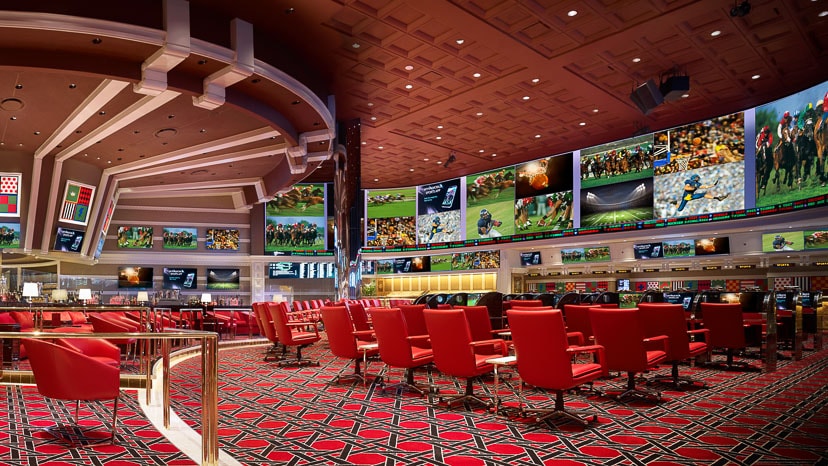
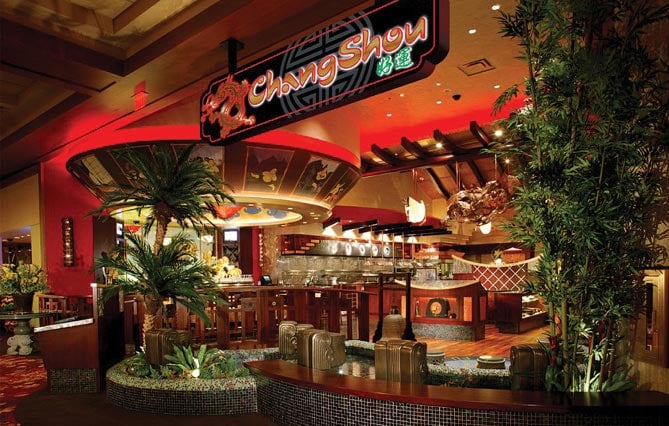
The introduction of themed resorts and casinos has further reinforced their cultural significance. For example, establishments that replicate famous landmarks or offer immersive experiences, such as those in Las Vegas and Macau, have redefined what a casino can be. They are no longer solely places to gamble but multifunctional venues that offer dining, shopping, and entertainment. This transformation has allowed casinos to penetrate deeper into cultural narratives, merging gaming with lifestyle and leisure.
Moreover, the emergence of online casinos has added another layer to this cultural shift. The ability to gamble from home has made casino experiences accessible to a broader audience. Players can engage with a plethora of games, including live dealer options that simulate the physical casino experience. This shift not only reflects changing consumer preferences but also showcases how technology continues to shape cultural practices surrounding gambling.
Social Implications of Casino Culture
The rise of casinos has also influenced social dynamics and community structures. Many local economies have benefitted from the development of casino resorts, which generate jobs and stimulate tourism. For instance, cities that embrace casinos often see a boost in hospitality industries, including hotels, restaurants, and entertainment venues. This influx of economic activity can lead to improved infrastructure and public services, significantly enhancing community quality of life.
Conversely, the social implications of casinos are complex. While they create economic opportunities, they can also foster addiction and gambling-related issues. The risk of problem gambling can lead to significant personal and societal challenges, including financial hardship and strained relationships. Communities often grapple with finding the right balance between leveraging the economic benefits of casinos while implementing measures to promote responsible gambling and support those affected by addiction.
This duality highlights the need for ongoing dialogue about the role of casinos in society. As public perception shifts and casinos become more integrated into community life, addressing both the positive and negative social impacts is crucial. Educational initiatives and community programs that promote responsible gaming can help mitigate the adverse effects while still enjoying the benefits that casinos bring.
Cultural Representation in Media and Arts
Casinos have long been a source of fascination in various forms of media and the arts. From classic films like “Casino Royale” to modern television shows that depict gambling and the lifestyles associated with it, the portrayal of casinos has shaped public perception. These representations often glamorize the casino experience, illustrating the allure of wealth, excitement, and risk. This cultural narrative contributes to the ongoing fascination with gambling, making it a recurring theme in storytelling.
Additionally, literature and music frequently draw inspiration from casino culture. Novels and songs often delve into the lifestyles of gamblers, depicting their highs and lows. This artistic exploration provides a lens through which audiences can view the complexities of gambling, from thrilling victories to devastating losses. Such portrayals can influence societal attitudes towards gambling, reinforcing its status as an intriguing, albeit risky, endeavor.
Furthermore, the visual arts have also capitalized on the vibrant aesthetics of casinos. Art installations, photography, and graphic design often reflect the colorful, dynamic environments of gambling establishments. This artistic engagement with casino culture can enhance cultural appreciation and understanding, allowing for a multifaceted discussion around gambling and its implications in contemporary society.
Regulation and Ethical Considerations
The cultural impact of casinos also raises important questions about regulation and ethics. As gambling becomes more prevalent, the need for effective oversight becomes paramount. Governments and regulatory bodies face the challenge of ensuring that casinos operate fairly and transparently while protecting consumers from exploitation and predatory practices. Striking this balance is crucial in fostering a healthy gambling environment that respects both individual freedoms and societal well-being.
Moreover, discussions around responsible gaming and ethical considerations have gained momentum in recent years. Many casinos have implemented responsible gaming initiatives that include self-exclusion programs and educational resources for players. These measures are vital in addressing the social concerns associated with gambling, highlighting the responsibility that casinos bear towards their patrons and communities.
As the casino landscape continues to evolve, the conversation surrounding regulation and ethics will remain critical. Policymakers, casinos, and communities must work together to develop frameworks that promote safe gaming environments. Engaging stakeholders in these discussions can lead to informed decisions that reflect societal values and protect the interests of both players and the broader community.
Exploring Pinco Casino Canada’s Role in Modern Gaming
Pinco Casino Canada exemplifies how online gaming platforms can shape the modern gambling experience. With an extensive selection of games, including slots and live dealer options, Pinco provides players with a dynamic and engaging environment. The platform not only caters to seasoned gamblers but also welcomes newcomers with generous bonus packages that enhance their gaming journey. Such offerings underscore the importance of creating an inclusive gaming experience that appeals to diverse audiences.
Furthermore, Pinco Casino places a strong emphasis on player safety and responsible gaming. The integration of tools to help users manage their gambling habits illustrates a commitment to ethical practices within the online gaming landscape. This focus on player welfare reflects an understanding of the potential risks associated with gambling and reinforces the casino’s role as a responsible corporate citizen in modern society.
As the cultural impact of casinos continues to evolve, platforms like Pinco Casino Canada play a pivotal role in shaping perceptions of online gaming. By prioritizing player safety and providing a diverse range of gaming options, Pinco contributes to the broader narrative of casinos as legitimate and responsible entertainment venues in contemporary society. This dedication to quality and responsibility is essential for fostering a positive cultural relationship with gambling as a whole.











 or
or